
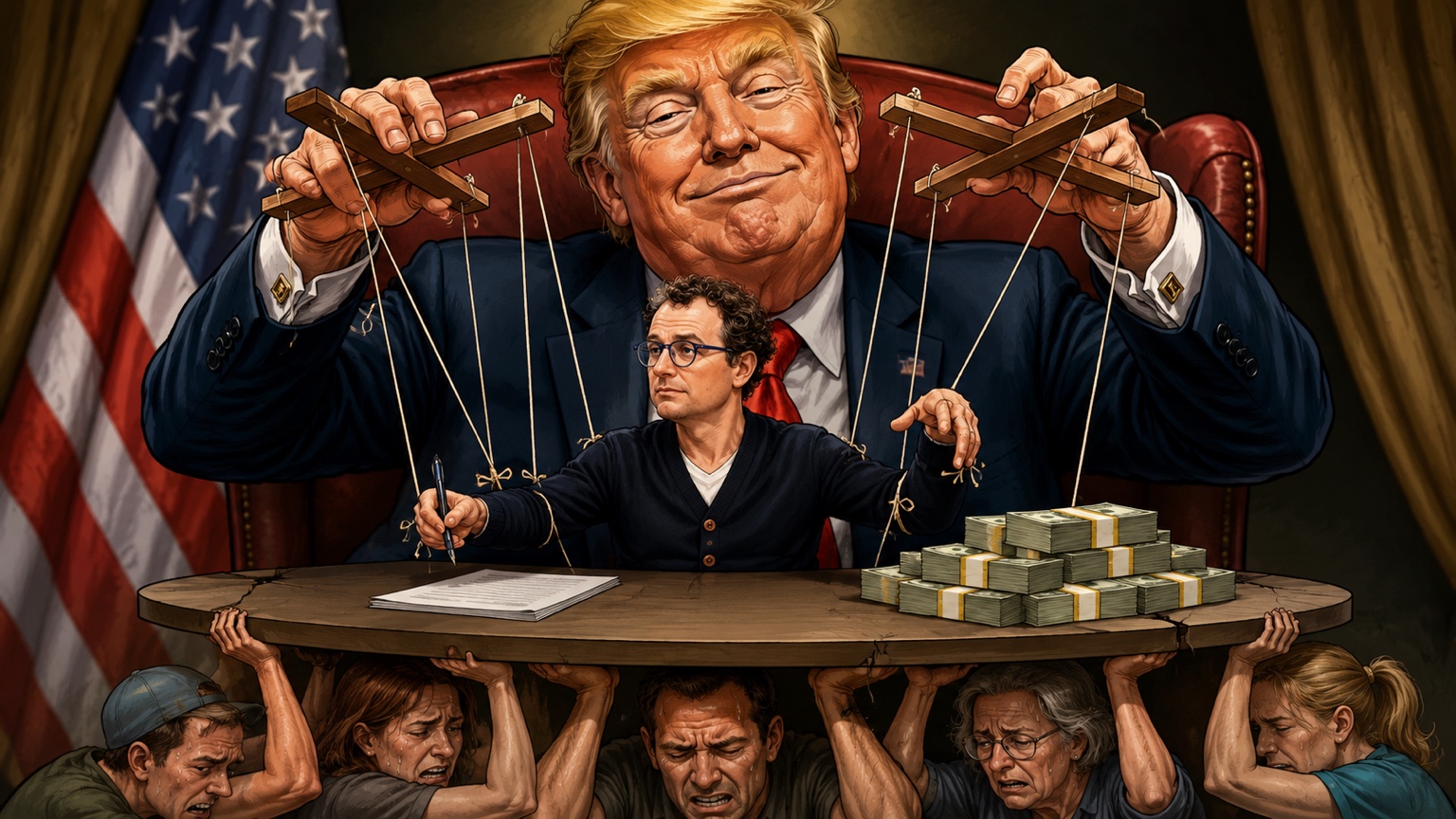
The AI kill switch was not a metaphor this time. It was a government directive, a compliance scramble and a sudden reminder that the infrastructure of the digital world is not neutral territory. Anthropic's Fable 5 and Mythos 5 did not merely become unavailable because of a bug, a price change or a server outage. They went dark because the United States decided that foreign access had become a national-security problem.
That may be true. Advanced AI systems can help find software vulnerabilities, write exploit chains and accelerate cyber operations. A state that believes such models could be diverted to foreign military intelligence will not treat them like ordinary software. It will treat them as strategic equipment. In that sense, the American move is not hard to understand.
But understanding it is not the same as ignoring what it reveals. For Europeans, the story is less about Anthropic than about the architecture of dependence. A company can apologise. A newsroom can call it export control. A minister can call it national security. The user experiences something simpler: the tool is gone because another country has the authority to make it gone.
This is where much of the public conversation becomes oddly theatrical. Europe wants regulation, but is shocked when regulation has teeth. Europe wants distance from American big tech, but still expects American platforms to remain available like public utilities. Europe speaks of sovereignty, but often without the data centres, capital, models, procurement discipline and political stamina that sovereignty requires.
The real question is not whether Washington should ever use a kill switch. States will protect what they regard as strategic capability. The real question is whether Europe has built anything credible enough to keep working when someone else pulls one. At the moment, the answer is uncomfortable. We have the vocabulary of independence and the supply chain of dependence.
So the story is not just that Anthropic lost a weekend or that customers lost access. The story is that the balance of power briefly became visible. The socket was American. The switch was American. The outrage was global. That is what digital dependence looks like when the lights go out.